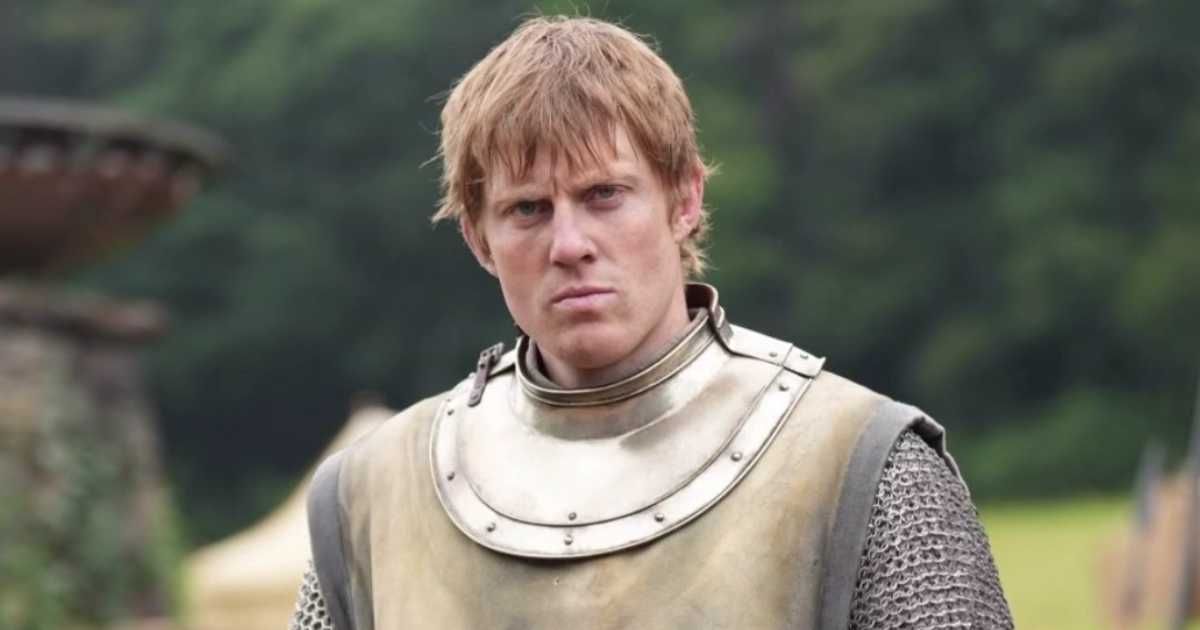
Peter Claffey is not a conventional breakout star. He did not arrive through hype or viral moments. His rise is quiet, deliberate, and grounded in discipline. Best known for portraying Ser Duncan the Tall (Dunk) in HBO’s A Knight of the Seven Kingdoms, Claffey brings a rare physical authenticity and emotional restraint to a genre often defined by excess. His performance aligns closely with George R. R. Martin’s original vision—human, principled, and morally anchored. This content explores Claffey’s background, craft, public image, and growing cultural relevance.
From Elite Sport to Screen Presence
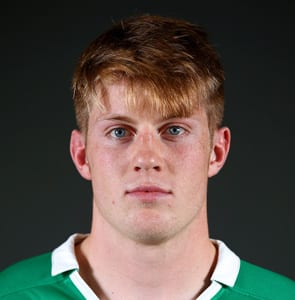
Before acting entered the picture, Peter Claffey was immersed in professional sport. He played elite-level rugby, a background that continues to shape his screen presence.
Rugby instills discipline. It rewards patience. It punishes ego.
Those qualities translate clearly into Claffey’s acting style. He does not rush scenes. He listens. He reacts physically rather than theatrically. His performances feel weighted, not performed.
When his athletic career ended, acting did not appear as a fallback. It emerged as a new discipline—one that required control rather than force.
Choosing Acting Without Reinventing Himself
Many athletes who transition into acting attempt reinvention. Claffey did not. Instead, he carried over habits from sport:
- Comfort with physical stillness
- Repetition and rehearsal
- Respect for ensemble dynamics
- Structured preparation
Rather than chasing attention, he focused on training. Rather than typecasting himself as a “physical actor,” he worked on internal pacing and screen realism. This foundation would later make him a natural fit for grounded, character-driven storytelling.
Early Screen Work and Industry Positioning
Claffey’s early acting work placed him inside ensemble casts and large-scale productions. These roles did not center him. They taught him scale. Working within complex productions helped him understand: camera economy, scene hierarchy, and narrative rhythm.
He learned when not to perform. He learned how to exist inside a frame without dominating it. This experience matters more than a long list of credits. It prepared him for prestige television environments where restraint carries more value than volume.
Landing Ser Duncan the Tall
Casting Peter Claffey as Ser Duncan the Tall was not accidental. It was precise. Dunk is not a traditional fantasy hero.
He is unsure. He is moral. He doubts himself. Claffey’s physical stature aligns with the character, but it is his restraint that sells the role. He avoids heroic exaggeration. His Dunk feels observant and ethical rather than dominant.
This approach closely mirrors the tone of George R. R. Martin’s Tales of Dunk and Egg novellas, which prioritize character over spectacle.
Why His Dunk Works on Screen
Claffey’s performance resonates because it resists fantasy clichés. He does not posture. He does not overplay authority. He reacts before he speaks.
In scenes of conflict, he chooses hesitation over certainty. In scenes of power, he allows vulnerability. This makes Dunk believable—not mythic, but human. Audiences respond to this authenticity, particularly viewers familiar with the literary source material.
Physicality Without Aggression
One of Claffey’s defining traits is how he uses his body on screen. His movements are economical. His posture is deliberate. His stillness communicates intention.
This physical intelligence comes directly from years in professional sport. He understands space, proximity, and impact without needing overt action. In a genre saturated with spectacle, this grounded physicality stands out.
Working Style and On-Set Reputation
Industry commentary and cast interviews consistently highlight Claffey’s professionalism. He is described as focused, prepared, collaborative, and calm under pressure.
He approaches scenes methodically, and he respects directorial structure. This makes him reliable within large-scale productions that depend on timing and cohesion. For long-running series, this reliability is as valuable as talent.
Public Image and Media Presence
Peter Claffey maintains a low-profile public image. He does not overshare. He does not cultivate controversy. He uses social platforms sparingly.
When he does appear in interviews or promotional material, the focus remains on the work, character, and craft.
This controlled visibility aligns well with HBO’s prestige branding and reinforces his credibility as a serious performer rather than a personality-driven celebrity.
Relationship Status and Personal Boundaries
Claffey keeps his personal life private. He has appeared publicly with Ally McGinn, who is widely described as his partner. She is not a public figure and maintains a private life outside media coverage.
There is no confirmed information regarding marriage, engagement, or family plans. Claffey does not discuss personal relationships in interviews. This discretion supports a clean public narrative and avoids unnecessary speculation.
Cultural Relevance in the Game of Thrones Universe
A Knight of the Seven Kingdoms occupies a unique space within the Game of Thrones universe. It is smaller in scale. It is character-led. It depends heavily on performance credibility.
Claffey’s casting signals a tonal shift for the franchise—away from spectacle-first storytelling and toward grounded moral narratives. This positions him as a key figure in HBO’s evolving fantasy strategy.
Audience Reception and Fan Discourse
Online discussions across Reddit, YouTube comments, and fan forums often highlight Claffey’s suitability for Dunk. Common themes include:
- Faithfulness to the books
- Natural screen presence
- Lack of overacting
- Strong chemistry with co-stars
Rather than polarizing audiences, his performance tends to unify them—particularly book readers who value accuracy and tone.
Career Trajectory and Long-Term Outlook
Peter Claffey’s career trajectory suggests longevity rather than rapid saturation. He is positioned for:
- Character-driven roles
- Ensemble prestige dramas
- Literary adaptations
He is unlikely to chase franchise visibility at the expense of craft. His choices indicate patience and long-term planning.
For casting directors, he represents reliability and depth. For audiences, he represents credibility.
Why Peter Claffey Matters Right Now
Claffey’s rise reflects a broader industry shift. Audiences are responding to emotionally grounded storytelling, ethical protagonists, and subtle performances.
His success as Dunk confirms that fantasy does not require excess to resonate. It requires belief.
Final Perspective
Peter Claffey is not marketed as a star. He is positioned as a performer. That distinction matters.
In an era driven by visibility, Claffey’s strength lies in restraint, discipline, and authenticity. His work in A Knight of the Seven Kingdoms marks not just a breakout role—but a recalibration of what modern fantasy leads can be.Peter Claffey is not a conventional breakout star. He did not arrive through hype or viral moments. His rise is quiet, deliberate, and grounded in discipline. Best known for portraying Ser Duncan the Tall (Dunk) in HBO’s A Knight of the Seven Kingdoms, Claffey brings a rare physical authenticity and emotional restraint to a genre often defined by excess. His performance aligns closely with George R. R. Martin’s original vision—human, principled, and morally anchored. This content explores Claffey’s background, craft, public image, and growing cultural relevance.
From Elite Sport to Screen Presence
Before acting entered the picture, Peter Claffey was immersed in professional sport. He played elite-level rugby, a background that continues to shape his screen presence.
Rugby instills discipline. It rewards patience. It punishes ego.
Those qualities translate clearly into Claffey’s acting style. He does not rush scenes. He listens. He reacts physically rather than theatrically. His performances feel weighted, not performed.
When his athletic career ended, acting did not appear as a fallback. It emerged as a new discipline—one that required control rather than force.
Choosing Acting Without Reinventing Himself
Many athletes who transition into acting attempt reinvention. Claffey did not. Instead, he carried over habits from sport:
- Comfort with physical stillness
- Repetition and rehearsal
- Respect for ensemble dynamics
- Structured preparation
Rather than chasing attention, he focused on training. Rather than typecasting himself as a “physical actor,” he worked on internal pacing and screen realism. This foundation would later make him a natural fit for grounded, character-driven storytelling.
Early Screen Work and Industry Positioning
Claffey’s early acting work placed him inside ensemble casts and large-scale productions. These roles did not center him. They taught him scale. Working within complex productions helped him understand: camera economy, scene hierarchy, and narrative rhythm.
He learned when not to perform. He learned how to exist inside a frame without dominating it. This experience matters more than a long list of credits. It prepared him for prestige television environments where restraint carries more value than volume.
Landing Ser Duncan the Tall
Casting Peter Claffey as Ser Duncan the Tall was not accidental. It was precise. Dunk is not a traditional fantasy hero.
He is unsure. He is moral. He doubts himself. Claffey’s physical stature aligns with the character, but it is his restraint that sells the role. He avoids heroic exaggeration. His Dunk feels observant and ethical rather than dominant.
This approach closely mirrors the tone of George R. R. Martin’s Tales of Dunk and Egg novellas, which prioritize character over spectacle.
Why His Dunk Works on Screen
Claffey’s performance resonates because it resists fantasy clichés. He does not posture. He does not overplay authority. He reacts before he speaks.
In scenes of conflict, he chooses hesitation over certainty. In scenes of power, he allows vulnerability. This makes Dunk believable—not mythic, but human. Audiences respond to this authenticity, particularly viewers familiar with the literary source material.
Physicality Without Aggression
One of Claffey’s defining traits is how he uses his body on screen. His movements are economical. His posture is deliberate. His stillness communicates intention.
This physical intelligence comes directly from years in professional sport. He understands space, proximity, and impact without needing overt action. In a genre saturated with spectacle, this grounded physicality stands out.
Working Style and On-Set Reputation
Industry commentary and cast interviews consistently highlight Claffey’s professionalism. He is described as focused, prepared, collaborative, and calm under pressure.
He approaches scenes methodically, and he respects directorial structure. This makes him reliable within large-scale productions that depend on timing and cohesion. For long-running series, this reliability is as valuable as talent.
Public Image and Media Presence
Peter Claffey maintains a low-profile public image. He does not overshare. He does not cultivate controversy. He uses social platforms sparingly.
When he does appear in interviews or promotional material, the focus remains on the work, character, and craft.
This controlled visibility aligns well with HBO’s prestige branding and reinforces his credibility as a serious performer rather than a personality-driven celebrity.
Relationship Status and Personal Boundaries
Claffey keeps his personal life private. He has appeared publicly with Ally McGinn, who is widely described as his partner. She is not a public figure and maintains a private life outside media coverage.
There is no confirmed information regarding marriage, engagement, or family plans. Claffey does not discuss personal relationships in interviews. This discretion supports a clean public narrative and avoids unnecessary speculation.
Cultural Relevance in the Game of Thrones Universe
A Knight of the Seven Kingdoms occupies a unique space within the Game of Thrones universe. It is smaller in scale. It is character-led. It depends heavily on performance credibility.
Claffey’s casting signals a tonal shift for the franchise—away from spectacle-first storytelling and toward grounded moral narratives. This positions him as a key figure in HBO’s evolving fantasy strategy.
Audience Reception and Fan Discourse
Online discussions across Reddit, YouTube comments, and fan forums often highlight Claffey’s suitability for Dunk. Common themes include:
- Faithfulness to the books
- Natural screen presence
- Lack of overacting
- Strong chemistry with co-stars
Rather than polarizing audiences, his performance tends to unify them—particularly book readers who value accuracy and tone.
Career Trajectory and Long-Term Outlook
Peter Claffey’s career trajectory suggests longevity rather than rapid saturation. He is positioned for:
- Character-driven roles
- Ensemble prestige dramas
- Literary adaptations
He is unlikely to chase franchise visibility at the expense of craft. His choices indicate patience and long-term planning.
For casting directors, he represents reliability and depth. For audiences, he represents credibility.
Why Peter Claffey Matters Right Now
Claffey’s rise reflects a broader industry shift. Audiences are responding to emotionally grounded storytelling, ethical protagonists, and subtle performances.
His success as Dunk confirms that fantasy does not require excess to resonate. It requires belief.
Final Perspective
Peter Claffey is not marketed as a star. He is positioned as a performer. That distinction matters.
In an era driven by visibility, Claffey’s strength lies in restraint, discipline, and authenticity. His work in A Knight of the Seven Kingdoms marks not just a breakout role—but a recalibration of what modern fantasy leads can be.
